When your dog or cat suddenly starts acting differently, it can be difficult to know whether you should wait, schedule a veterinary appointment, or seek emergency care immediately.
Some symptoms can safely wait for a regular veterinary visit, while others may indicate a potentially life-threatening emergency. Knowing the warning signs can help you make a faster decision when your pet needs help.
If you’re ever unsure, call your veterinarian. You don’t need to determine what’s wrong on your own – a veterinary professional can help you decide what level of care your pet needs.
10 Signs Your Pet May Need Emergency Veterinary Care
If your pet shows any of the following signs or symptoms, consider seeking veterinary care right away.
1. Difficulty Breathing
Trouble breathing should always be taken seriously. Watch for labored breathing, gasping, unusual breathing sounds, or blue, gray, or very pale gums.
Open-mouth breathing in cats is especially concerning and should be evaluated immediately.
2. Collapse or Inability to Stand
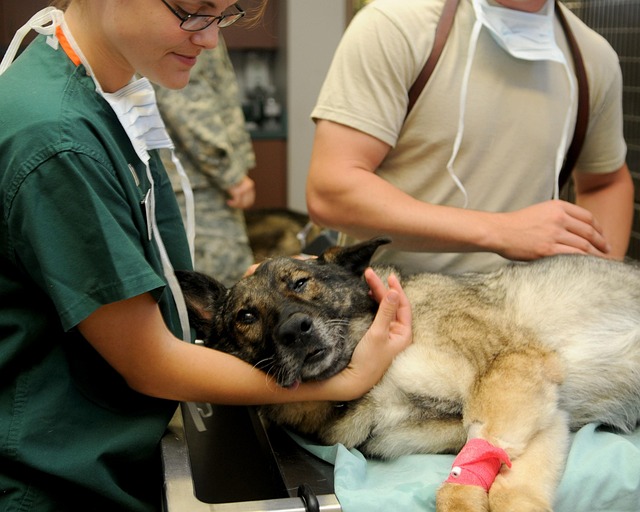
Sudden collapse, fainting, extreme weakness, severe disorientation, or an inability to stand or walk normally can indicate a serious medical problem. Seek veterinary attention right away.
3. Seizures
A seizure can be frightening to witness. Contact a veterinarian promptly if your pet experiences a first-time seizure, multiple seizures close together, a prolonged seizure, or doesn’t recover normally afterward.
4. Severe Bleeding or Major Trauma
Seek immediate care for uncontrolled bleeding, deep wounds, animal attacks, significant falls, or vehicle accidents.
Even if your pet appears normal after an accident, internal injuries may not be immediately visible.
5. Suspected Poisoning
Contact a veterinarian immediately if you know or suspect your pet has consumed something toxic. Common hazards include:
- Human medications
- Chocolate
- Xylitol-containing products
- Toxic plants
- Household chemicals
- Rodenticides and other pesticides
Don’t wait for symptoms to appear, and never induce vomiting unless a veterinary professional specifically instructs you to do so.
6. Repeated Vomiting or Severe Diarrhea
An isolated episode of vomiting or diarrhea isn’t always an emergency. However, repeated vomiting, bloody vomit or stool, severe lethargy, abdominal pain, or an inability to keep water down can signal a more serious problem.
Puppies, kittens, senior pets, and animals with existing health conditions may become dehydrated or seriously ill more quickly.
7. A Swollen or Painful Abdomen
Sudden abdominal swelling – especially when accompanied by restlessness, drooling, pain, or repeated unsuccessful attempts to vomit – can be a sign of gastric dilatation-volvulus (GDV), commonly called bloat.
GDV is a life-threatening emergency that requires immediate veterinary treatment.
8. Difficulty Urinating
Repeatedly trying to urinate while producing little or no urine can indicate a urinary blockage. This is particularly concerning in male cats.
If your pet is straining, crying while attempting to urinate, making repeated trips to the litter box, or unable to produce urine, seek veterinary care immediately.
9. Signs of Heatstroke
Florida’s heat and humidity make heat-related illness an important concern for Tallahassee pet owners.
Excessive panting, heavy drooling, vomiting, weakness, confusion, or collapse may indicate heatstroke. Move your pet away from the heat and contact a veterinarian immediately for instructions.
10. Sudden or Severe Pain
Pets can’t tell us where it hurts, and some – especially cats – may try to hide pain.
Crying, trembling, hiding, sudden aggression when touched, an inability to get comfortable, severe limping, or refusing to move can all indicate significant pain that warrants veterinary attention.
Don’t Wait for Symptoms After Certain Emergencies
Sometimes the situation itself is enough reason to call a veterinarian, even if your pet seems fine.
Contact a veterinary professional promptly after a vehicle accident, suspected poisoning, snakebite, significant fall or injury, possible foreign-object ingestion, or potential heatstroke.
Waiting for obvious symptoms can delay important treatment.
When Your Pet Needs Help, Don’t Wait
You know your pet’s normal behavior better than anyone. If something changes suddenly or your pet shows signs of significant pain, illness, or distress, take it seriously.
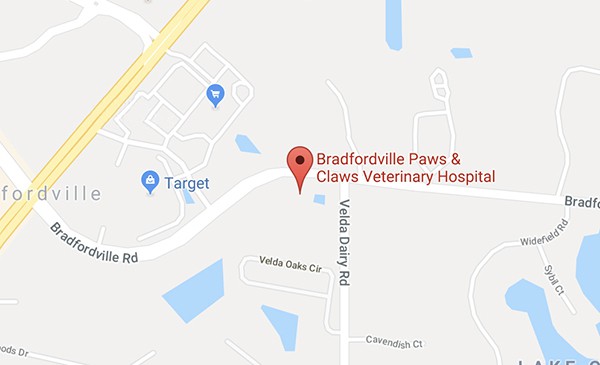
If you’re concerned about a new symptom or change in your pet’s health, contact Paws and Claws Veterinary Hospital to schedule an appointment or speak with the team about your concerns.