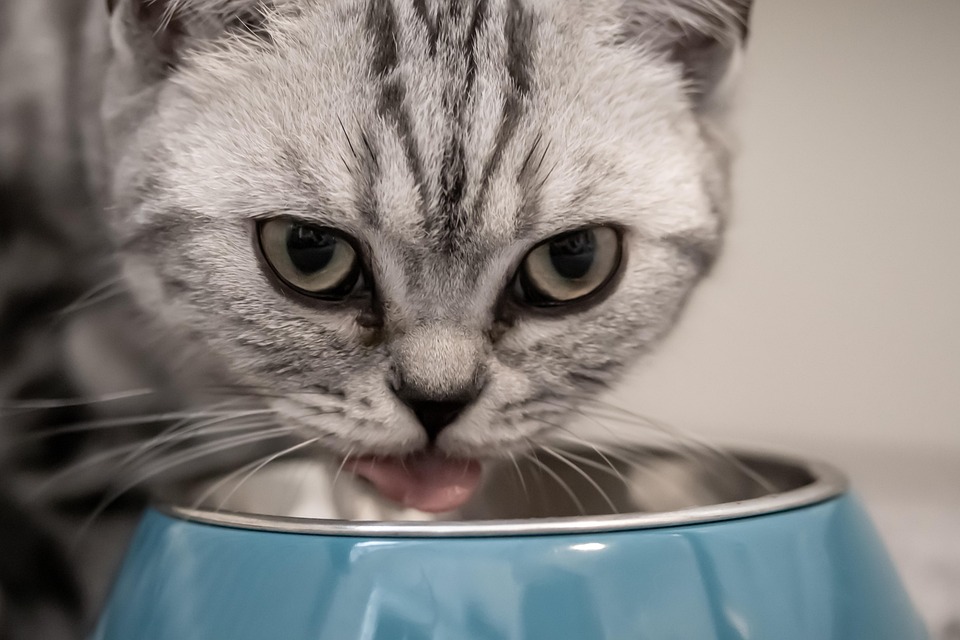
Cats with kidney disease often drink more water than they used to. That can make it seem like hydration should take care of itself, but unfortunately, it does not always work that way.
As kidney function declines, the kidneys become less efficient at concentrating urine. More water leaves the body, so the cat drinks more to try to make up for those losses. Some cats are able to keep pace for quite a while. Others eventually need more help.
There are several simple ways to make water easier to access and increase the amount your cat takes in each day. Just as important is knowing when those measures are no longer enough.
Why Cats With Kidney Disease Can Become Dehydrated
Healthy kidneys help the body conserve water by producing concentrated urine when needed. With chronic kidney disease, that ability can decline.
The result is often larger amounts of more dilute urine. A cat may spend noticeably more time drinking because the body is trying to replace that lost fluid.
This means that drinking more water does not necessarily mean a cat is well hydrated. A cat with kidney disease can visit the water bowl frequently and still have difficulty keeping up with fluid losses.
Make Water Easy to Find
One of the easiest things you can do is give your cat more opportunities to drink.
Rather than relying on a single water bowl, keep several around the house, especially in places your cat already spends time. For an older cat, accessibility matters. A bowl that requires going downstairs, jumping onto a counter, or passing another pet may not get used as often.
Refresh the water regularly and keep the bowls clean. Some cats are perfectly happy with a basic bowl, while others drink more readily from a fountain or another source of moving water.
There is no particular setup that works for every cat. Pay attention to what yours actually uses.
In a multi-pet household, it is also worth making sure your cat can reach water without having to compete with another animal.
Wet Food Can Add More Water to the Day
Canned food can contribute a meaningful amount of moisture to a cat’s diet, which is one reason wet renal diets are often useful for cats with kidney disease.
If your cat already eats canned food, you may also be able to mix in a small amount of additional water. Some cats accept this easily; others decide you have ruined a perfectly good meal.
If adding water makes your cat eat less, it is not worth pushing.
Adequate calorie intake still matters. Hydration is important, but we do not want to improve the moisture content of a meal by making the meal so unappealing that the cat refuses it.
If you are trying to choose between wet and dry renal foods or are having trouble getting your cat to eat enough, that is a separate part of kidney-disease management and worth discussing with your veterinarian.
Don’t Force Your Cat to Drink
When owners are worried about dehydration, it is understandable to want to get water into the cat somehow.
Repeatedly carrying your cat to the water bowl or trying to force them to drink usually creates more stress than benefit. Syringing significant amounts of water into a cat’s mouth is also not a good substitute for proper hydration and can be unsafe if the cat does not swallow normally.
Instead, make water readily available, use food to add moisture when your cat accepts it, and watch for changes in appetite, drinking, energy, and overall behavior.
If your cat cannot maintain hydration that way, the next step is veterinary care rather than increasingly aggressive attempts to give water at home.
How Can You Tell If Your Cat Is Dehydrated?
Dehydration can be difficult to judge accurately at home, especially in an older cat.
Possible signs include:
- Lower energy or weakness
- Poor appetite
- Dry or tacky gums
- Sunken-looking eyes in more significant dehydration
- A general change in how the cat looks or feels
You may have heard of checking hydration by gently lifting the skin and seeing how quickly it returns to place. That test has limitations, particularly in senior cats, because aging itself can change skin elasticity. It should not be treated as a reliable yes-or-no test for dehydration.
Vomiting, diarrhea, poor appetite, or a sudden drop in water intake can make dehydration more likely and are worth mentioning to your veterinarian.
When Are Subcutaneous Fluids Needed?
Some cats with kidney disease eventually reach a point where drinking water and getting moisture from food are not enough to maintain good hydration.
Your veterinarian may then recommend subcutaneous fluids, which are fluids given under the skin. Many owners can be taught how to administer them at home when this becomes part of a cat’s treatment plan.
Not every cat with kidney disease needs subcutaneous fluids, and there is no single schedule that is appropriate for every cat.
The amount and frequency depend on the individual cat, the stage of kidney disease, hydration status, and other medical conditions. Cats with heart disease or certain other health problems may require particular caution with fluid therapy.
For that reason, subcutaneous fluids should be given according to a veterinary plan rather than an amount or schedule found online or borrowed from another cat’s treatment.
When Drinking More Water Isn’t Enough
A cat with kidney disease should be evaluated if there is a noticeable change in hydration, appetite, or overall condition.
Call your veterinarian if your cat:
- Stops drinking or drinks much less than usual
- Stops eating or has a significant decrease in appetite
- Becomes weak or unusually lethargic
- Vomits repeatedly
- Cannot keep food or water down
- Seems dehydrated despite drinking frequently
- Has a sudden change in thirst or urination
Some cats who become significantly dehydrated need intravenous fluids and closer monitoring at the veterinary hospital rather than additional water at home.
The important thing is not to wait until a cat is obviously very sick before calling.
Hydration Needs Can Change Over Time
A cat that maintains hydration well in the earlier stages of kidney disease may need additional support later.
Changes in kidney function, appetite, vomiting, urine production, medications, and other health conditions can all affect fluid needs. That is one reason regular follow-up visits and laboratory testing remain important after a kidney-disease diagnosis.
The hydration plan that works today may need to be adjusted in the future.
Helping Your Cat Stay Hydrated at Home
For many cats with kidney disease, the basics make a difference: several easy-to-reach water sources, fresh water, wet food when appropriate, and attention to changes in normal drinking and eating habits.
But hydration is not always something owners can manage with water bowls and canned food alone.
If your cat with kidney disease is drinking frequently but still seems unwell, has stopped eating, is vomiting, or you are concerned about dehydration, contact Paws and Claws Veterinary Hospital. We can assess your cat’s hydration and determine whether additional fluid support should be part of the treatment plan.