At Paws & Claws Veterinary Hospital in Tallahassee, we frequently see “scooting” cases, especially during peak Florida allergy seasons when skin inflammation is at its highest. While the behavior can be embarrassing or frustrating for owners, it is a clear distress signal from your dog that shouldn’t be ignored.
The Top 4 Reasons Your Dog is Scooting
Understanding why your dog is dragging their hind end across the rug is the first step in getting them the relief they need.
-
Anal Gland Issues: This is the most common culprit. Dogs have two small scent sacs on either side of the rectum that should empty naturally during bowel movements. If these glands become “impacted” or clogged, the pressure and itchiness cause the dog to scoot to try to express them manually.
-
Intestinal Parasites (Tapeworms): Tapeworms are often transmitted via fleas. When tapeworm segments exit the body, they can cause intense itching around the anus. If you see small, white objects that look like “moving grains of rice” in your dog’s stool or on their fur, parasites are the likely cause.
-
Skin Allergies and Irritants: Tallahassee’s high pollen counts aren’t just hard on humans; they affect our pets, too. Environmental allergens or food sensitivities can cause “atopy” (skin inflammation), leading to generalized itching that often focuses on the base of the tail and the rectal area.
-
Grooming or Hygiene Issues: Recent grooming can sometimes lead to “clipper burn” or irritation from hygiene sprays. Additionally, matted hair around the hindquarters can trap moisture and debris, leading to localized skin infections.
When Should a Dog Have an Exam for Scooting?
While a single “scoot” might just be a passing itch, you should monitor your pet for these “red flag” symptoms that require an immediate veterinary exam:
-
Visible swelling, lumps, or redness around the tail base.
-
Bleeding or odd discharge from the anal area.
-
A persistent, foul, metallic odor.
-
Straining to defecate or vocalizing in pain while trying to go.
-
Constant licking or chewing at the hindquarters.
If left untreated, impacted anal glands can develop into an anal gland abscess. This is a painful infection that may rupture through the skin, requiring surgical drainage, flushing, and a course of antibiotics.
Frequently Asked Questions About Scooting
How often should a dog’s anal glands be expressed?
Most dogs never need manual expression because their glands empty naturally during bowel movements. However, if your dog has recurring issues, they may need a regular expression every 3 to 6 months.
Can a change in dog food stop scooting?
It certainly can if the scooting is caused by soft stools or food sensitivities.
-
Fiber: A diet higher in natural fiber creates firmer, bulkier stools that put physical pressure on the anal glands, helping them express naturally.
-
Allergens: If your dog is allergic to a specific protein (like chicken or beef), it can cause inflammation in the digestive tract and rectal area. Switching to a limited-ingredient or prescription hypoallergenic diet under veterinary supervision often resolves the issue.
Is my dog scooting because of a behavioral habit?
Scooting is almost never a “habit” or a behavioral “trick.” In the vast majority of cases, it is a physical response to localized discomfort, itching, or pain. If you see your dog scooting, it is best to assume there is a medical cause, such as impacted glands, parasites, or an allergy, rather than a behavioral one.
Are certain breeds more likely to scoot?
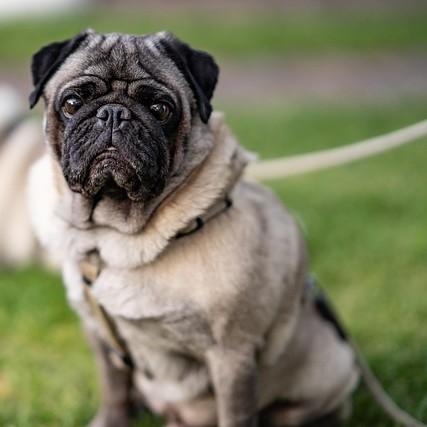
While any dog can experience these issues, smaller breeds – such as Pugs, Chihuahuas, Beagles, and Cocker Spaniels – are statistically more prone to anal gland impactions. Their smaller anatomy can make it more difficult for the sacs to empty naturally, making regular check-ups at our Tallahassee clinic especially important for these breeds.
Need to schedule a check-up for your dog?
If your dog is showing signs of discomfort, contact the team at Paws & Claws Veterinary Hospital. We provide anal gland expression, fecal testing, and allergy consultations to keep your pet comfortable and “scoot-free.”
Call us at 850-906-0444 to schedule your dog’s exam.