Houseplants can brighten a home, improve indoor air quality, and add a touch of nature to your living space. However, if you share your home with a cat, it’s important to know that some popular indoor plants can pose a serious health risk.
Cats are naturally curious and may chew on leaves, flowers, or stems while exploring their environment. Unfortunately, even a small amount of certain plants can cause symptoms ranging from mild stomach upset to life-threatening illness.
Knowing which plants are toxic to cats can help you create a safer home for your feline companion.
Common Houseplants That Are Toxic to Cats
This list highlights just a few of the plants that can be harmful to cats and that our veterinary team commonly encounters.
Lilies
Lilies are among the most dangerous plants for cats.
Toxic varieties include Easter lilies, Tiger lilies, Daylilies, and Asiatic lilies. Even a small amount of the plant – or exposure to pollen or water from a vase containing lilies – can lead to severe kidney failure. Cats that have been exposed may develop vomiting, loss of appetite, lethargy, and changes in urination. Because lily toxicity can progress rapidly, lilies should never be kept in a home with cats.
If you suspect your cat has been exposed to or chewed on a lily, contact our veterinary hospital immediately.
Pothos
Pothos is a popular low-maintenance houseplant, but it contains calcium oxalate crystals that can irritate a cat’s mouth and digestive tract. Cats that chew on pothos may experience excessive drooling, paw at their mouths, show signs of oral discomfort, vomit, or have difficulty swallowing.
Philodendron
Like pothos, philodendrons contain calcium oxalate crystals that can cause significant irritation if chewed. Affected cats may develop excessive drooling, mouth pain, swelling of the lips or tongue, and vomiting.
Snake Plant
Snake plants are popular because they’re easy to care for, but they contain compounds called saponins that can be harmful to pets.
Symptoms may include:
- Nausea
- Vomiting
- Diarrhea
- Drooling
Jade Plant
Jade plants are common succulents that can cause gastrointestinal upset in cats. Symptoms may include vomiting and lethargy, and some cats may also appear uncoordinated or unsteady.
Signs Your Cat May Have Eaten a Toxic Plant
Symptoms vary depending on the plant involved, but common signs of plant toxicity include:
- Vomiting
- Diarrhea
- Excessive drooling
- Loss of appetite
- Difficulty swallowing
- Lethargy
- Tremors
- Difficulty breathing
- Changes in urination
Some toxins can affect the kidneys, liver, heart, or nervous system, making prompt treatment essential.
What Should I Do If I Think My Cat Ate A Toxic Plant?
If you suspect your cat has chewed on or ingested a toxic plant:
- Remove any remaining plant material to an area that the cat does not have access to.
- Identify the plant if possible.
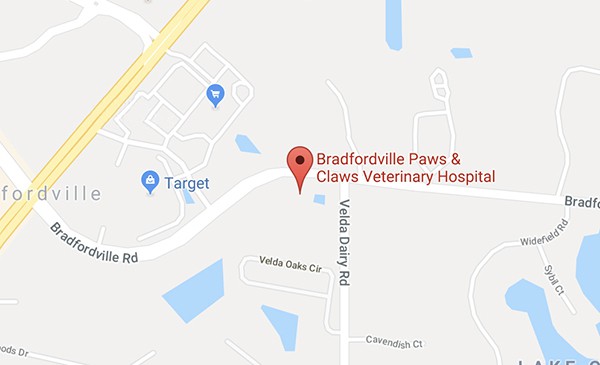
- Contact Paws & Claws Veterinary Hospital immediately.
Do not attempt to induce vomiting unless specifically instructed by a veterinary professional.
How Do Veterinarians Treat Plant Toxicity in Cats?
Treatment for plant toxicity depends on the type of plant involved, how much was ingested, and how quickly veterinary care is sought.
When your cat arrives at our hospital, our veterinary team will perform a thorough physical examination and review your cat’s symptoms and exposure history. If possible, bringing a photo or sample of the plant can help us identify the toxin and determine the most appropriate treatment plan.
Depending on the situation, treatment may include:
- Monitoring vital signs and overall condition
- Bloodwork to evaluate organ function
- Intravenous (IV) fluids to help prevent dehydration and support the kidneys
- Medications to control vomiting and nausea
- Pain management if oral irritation or discomfort is present
- Activated charcoal or other supportive therapies when appropriate
- Hospitalization and close monitoring for more severe cases
Some plants, such as lilies, can cause serious kidney damage even if symptoms appear mild at first. In these situations, early treatment and aggressive supportive care can significantly improve outcomes.
Our goal is to stabilize your cat, minimize the effects of the toxin, and provide the supportive care needed for a safe recovery. If you suspect your cat has eaten a toxic plant, don’t wait for symptoms to appear – contact our veterinary team as soon as possible.