
If your pet has been shaking their head nonstop or scratching at their ears, ear mites could be the culprit. These tiny parasites are a common cause of ear irritation in both dogs and cats—and without treatment, they can lead to painful infections and long-term ear damage.
At Paws and Claws Veterinary Hospital, we frequently diagnose and treat ear mites in pets of all ages. Here’s what every pet owner should know about ear mites, including how to spot them, treat them, and prevent them from coming back.
What Are Ear Mites?
Ear mites (Otodectes cynotis) are microscopic parasites that live in the ear canal of pets. They feed on skin debris and earwax, causing intense itching and inflammation.
Ear mites are most common in:
- Cats and kittens
- Dogs and puppies
- Pets that live in multi-pet households
- Animals that have contact with infected pets
Because ear mites are highly contagious, they can easily spread between pets through close contact.
Common Signs of Ear Mites in Dogs and Cats
Ear mite symptoms often resemble those of ear infections, which is why veterinary diagnosis is crucial. Common signs include:
- Frequent head shaking
- Scratching or rubbing the ears
- Dark, crumbly discharge that looks like coffee grounds
- Red, swollen, or irritated ears
- Foul odor coming from the ears
- Hair loss or scabs around the ears or neck
Pets with ear mites are often uncomfortable and may become irritable or sensitive when their ears are touched.
How Veterinarians Diagnose Ear Mites
While it may be tempting to try over-the-counter treatments, ear problems should always be evaluated by a veterinarian. Treating the wrong condition can exacerbate symptoms.
At Paws and Claws Veterinary Hospital, we diagnose ear mites by:
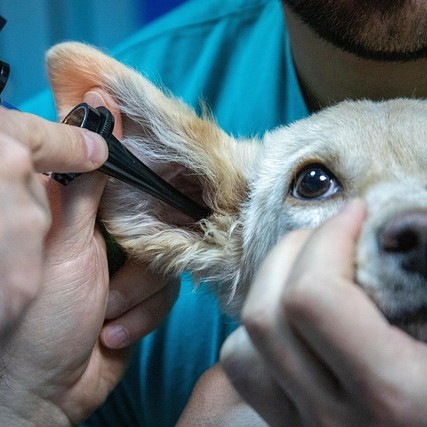
- Performing a thorough ear exam
- Collecting a sample of ear debris
- Examining it under a microscope
This allows us to confirm the presence of ear mites and rule out other issues such as bacterial infections, yeast infections, or allergies.
Ear Mite Treatment Options
The good news is that ear mites are highly treatable with proper veterinary care. Treatment typically includes prescription topical or oral medications that kill ear mites and gentle ear cleaning to remove debris and mites.
Most pets begin feeling relief within a few days, but it’s important to complete the full treatment plan to prevent reinfestation.
Can Ear Mites Go Away on Their Own?
No, ear mites will not resolve without treatment. In fact, untreated ear mites can lead to:

- Painful secondary ear infections
- Thickened ear canals
- Hearing loss
- Skin infections from excessive scratching
Prompt veterinary care is the best way to protect your pet’s comfort and long-term ear health.
How to Prevent Ear Mites in Pets
While ear mites are common, there are steps you can take to reduce your pet’s risk:
- Check your pet’s ears regularly for redness or discharge
- Keep up with routine wellness exams
- Use veterinarian-recommended parasite prevention year-round
- Wash bedding and clean shared spaces if one pet is infected
- Avoid contact with animals known to have ear mites
In Tallahassee’s warm, humid climate, parasites can thrive year-round, making prevention especially important.
Schedule Your Pet’s Ear Exam Now
If you suspect your dog or cat has an ear infection or ear mites, call our office to schedule an exam.
Your pet’s ears will thank you!