The holiday season is a time for celebration, family gatherings, and festive traditions, but for our pets, it can also bring unexpected dangers. From tempting holiday foods and decorations to visiting guests and changes in routine, dogs and cats are exposed to more potential hazards this time of year than almost any other. Unfortunately, many common holiday items can lead to illness, injury, or even emergency veterinary visits if pets get into something they shouldn’t.
At Paws and Claws Veterinary Hospital, we want to help you enjoy the holidays with peace of mind. By understanding the most common holiday-related risks and taking a few simple precautions, you can protect your pet and prevent avoidable emergencies. In this guide, we’ll share practical tips to keep your dog or cat safe, healthy, and happy throughout the holiday season.
Why the Holidays Can Be Dangerous for Pets
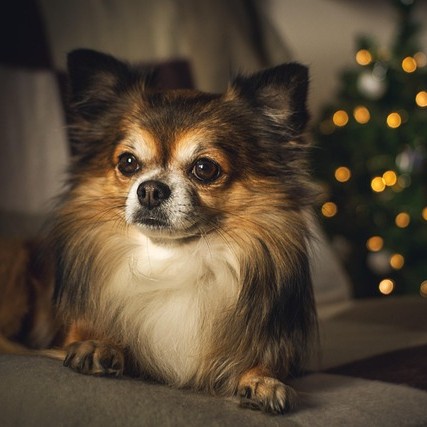
The holiday season brings excitement, celebrations, and changes to daily routines, but for pets, those changes can increase the risk of illness or injury. Dogs and cats rely on consistency, and the added activity of guests, travel, decorations, and special foods can quickly overwhelm them.
Our veterinary team often sees an increase in holiday-related pet emergencies during this time of year. Many of these incidents are preventable and are commonly linked to unsafe foods, toxic plants, decorative items, and well-meaning guests who may not realize what’s dangerous for pets.
Cooler weather, shorter days, and owners’ busy schedules can also affect exercise routines, leading to boredom or curiosity-driven behavior – especially in dogs. When combined with tempting smells, shiny decorations, and frequently opened doors, the holidays create the perfect environment for accidents to happen.
By understanding why the holidays pose unique risks, pet owners can take simple, proactive steps to keep their pets safe and avoid unnecessary veterinary visits.
Common Holiday Foods That Can Make Pets Sick
Holiday meals are often rich, indulgent, and full of ingredients that can be harmful to pets. While it may be tempting to share table scraps with your dog or cat, many popular holiday foods can cause digestive upset, poisoning, or even life-threatening conditions.
Foods containing chocolate, xylitol, grapes, raisins, onions, and garlic are especially dangerous for pets. Fatty foods like turkey skin, ham, gravy, and buttery side dishes can also lead to pancreatitis, a painful condition that often requires veterinary care. Cooked bones – no matter how large – can splinter and cause choking, intestinal blockages, or internal injuries.
Even small amounts of alcohol, caffeine, or sugar-free baked goods can be toxic. Desserts and treats left within reach, purses placed on the floor, or plates unattended during gatherings are common ways pets accidentally ingest something unsafe.
Signs Your Pet May Have Eaten Something Harmful
- Vomiting or diarrhea
- Excessive drooling
- Lethargy or weakness
- Tremors or seizures
- Loss of appetite
If you suspect your pet has eaten a toxic food, acting quickly can make a critical difference. Call our hospital or an emergency veterinary hospital immediately. Keeping holiday foods secured and sticking to your pet’s regular diet is one of the easiest ways to prevent an emergency during the holidays.
Holiday Decorations That Can Be Dangerous for Pets
Holiday decorations add warmth and charm to your home, but many common items can pose serious risks to curious pets. Dogs and cats explore with their mouths and paws, making certain decorations especially hazardous if they’re chewed, swallowed, or knocked over.
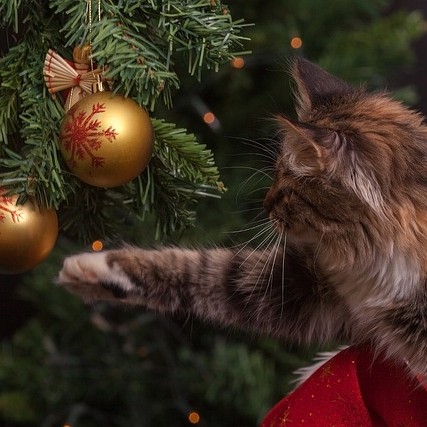
Items like tinsel, ribbon, and string are particularly dangerous. When ingested, these materials can cause intestinal blockages that often require surgery. Ornaments, especially those made of glass or thin plastic, can shatter and lead to cuts or choking hazards. Even non-breakable ornaments can cause problems if swallowed.
Electrical cords and holiday lights are another common concern. Chewing on cords can result in burns to the mouth or electrical shock, while tangled lights may cause pets to panic or become injured. Candles and open flames increase the risk of burns or house fires if pets accidentally knock them over.
Tips for Pet-Proofing Your Holiday Décor
- Avoid using tinsel or loose ribbon altogether
- Place fragile ornaments higher on the tree
- Secure electrical cords or use cord covers
- Choose flameless candles instead of real ones
- Anchor trees and large decorations to prevent tipping
Taking a few extra steps to pet-proof your decorations can go a long way in keeping your home festive – and your pets safe – throughout the holiday season.
Toxic Holiday Plants to Keep Away From Pets
Many popular holiday plants can be harmful to pets if chewed or ingested. While some may cause only mild irritation, others can lead to serious illness – especially in cats. Because pets often explore new items brought into the home, it’s important to know which plants pose a risk.
Poinsettias are commonly associated with the holidays and can cause mouth irritation, drooling, and digestive upset if eaten. Holly and mistletoe are more dangerous and may lead to vomiting, diarrhea, lethargy, or abnormal heart rhythms.
One of the most serious hazards is lilies, which are extremely toxic to cats. Even small exposures, such as chewing on leaves or ingesting pollen, can cause acute kidney failure. Christmas cactus may also lead to gastrointestinal upset if ingested.
Common Holiday Plants That Are Toxic to Pets
- Poinsettias
- Holly
- Mistletoe
- Lilies (especially dangerous for cats)
- Christmas cactus
How to Keep Pets Safe Around Holiday Plants
- Avoid bringing toxic plants into the home when possible
- Keep plants well out of reach of pets
- Clean up fallen leaves or pollen promptly
- Choose pet-safe alternatives or artificial plants
If you believe your pet has chewed on or ingested a toxic plant, prompt veterinary care is essential. Being aware of these risks can help you make safer choices and prevent a holiday emergency.
Managing Pet Stress and Anxiety During the Holidays
While the holidays are joyful for many people, they can be overwhelming for pets. Changes in routine, unfamiliar guests, loud noises, and increased activity in the home can all contribute to stress and anxiety in dogs and cats. Stressed pets may hide, vocalize more than usual, have accidents in the house, or show changes in appetite or behavior.
Holiday gatherings can be especially challenging. Frequent door openings increase the risk of pets escaping, while well-meaning guests may unknowingly feed pets unsafe foods or ignore warning signs of discomfort. Some pets may also feel threatened by unfamiliar people, leading to fear-based reactions such as growling or snapping.
Tips to Help Reduce Holiday Stress for Pets
- Maintain regular feeding, walking, and play schedules as much as possible
- Provide a quiet, comfortable space where your pet can retreat and feel safe
- Keep pets separated from guests if they seem anxious or overstimulated
- Make sure dogs wear proper identification in case of accidental escapes
- Avoid forcing pets to interact with guests or children
Calm, predictable environments help pets feel secure. Paying attention to your pet’s body language and respecting their limits can reduce stress and help prevent injuries during busy holiday events.
The holidays bring new experiences and new risks for pets. By staying aware of common hazards like unsafe foods, decorations, and changes in routine, you can help prevent many holiday-related illnesses and injuries.
If you have questions about your pet’s health or notice signs of illness or stress, don’t wait to seek care. Contact Paws and Claws Veterinary Hospital to schedule an appointment or get guidance – our team is here to help keep your pet safe and healthy all season long.