Parvovirus is one of the most dangerous and fast-moving viral illnesses affecting dogs – especially puppies. Each year, veterinary clinics see a rise in parvovirus cases shortly after the holidays, when many families welcome new puppies into their homes. While a puppy given as a Christmas gift brings excitement and joy, it also comes with important health responsibilities during those first critical weeks.
What Is Canine Parvovirus?
Canine parvovirus – often called parvo – is a highly contagious viral disease that primarily affects dogs, with puppies being the most vulnerable. The virus attacks rapidly dividing cells in the body, most notably those lining the intestinal tract. This damage interferes with nutrient absorption and leaves affected dogs at high risk for severe dehydration, infection, and complications.
In young puppies, parvovirus can also impact the immune system, making it harder for the body to fight off illness. In rare cases, especially in very young or unborn puppies, the virus may affect the heart muscle, which can be life-threatening.
One of the reasons parvovirus is so dangerous is how quickly it progresses. Symptoms can escalate within hours, and without prompt veterinary care, the illness can become critical in a short period of time. Parvo is not something dogs can “fight off” at home – early medical intervention is essential for survival.
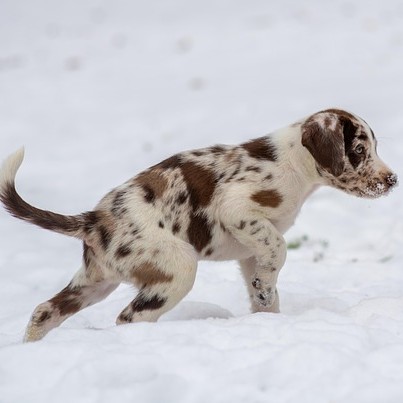
Despite being well known, parvovirus remains common because it is extremely resilient in the environment and easily spread. Vaccination is highly effective, but until a puppy completes their full vaccine series, they remain at risk. Understanding what parvovirus is, and why it’s so serious, helps explain why prevention and early action are emphasized so strongly by veterinarians.
How Parvovirus Spreads
Parvovirus spreads easily and efficiently, which is why outbreaks can occur so quickly—especially in areas where young or unvaccinated dogs are present. The virus is shed in the feces of infected dogs and can be transmitted both through direct contact and through contaminated environments.
Direct Contact With Infected Dogs
Dogs can contract parvovirus by sniffing, licking, or coming into close contact with an infected dog or its feces. Puppies are particularly vulnerable because their immune systems are still developing and they may not yet have full vaccine protection.
Indirect Environmental Exposure
Parvovirus does not require direct dog-to-dog contact to spread. The virus can be carried on:
- Shoes and clothing
- Hands and pet carriers
- Food and water bowls
- Leashes, toys, and bedding
- Grass, soil, and flooring
Because of this, a puppy can be exposed without ever meeting another dog face-to-face.
How Long Does Parvovirus Survive?
Parvovirus is extremely resistant to heat, cold, and many common disinfectants. It can survive in the environment for months, and in some cases longer, if not properly cleaned with veterinary-approved disinfectants. This persistence makes public spaces, shared yards, and high-traffic areas especially risky for unvaccinated puppies.
Parvo Prevention Is So Important
Even well-cared-for puppies can be exposed unintentionally through everyday activities. Limiting access to shared environments and avoiding contact with unfamiliar dogs until vaccination is complete plays a major role in reducing exposure risk.
Signs and Symptoms of Parvovirus in Dogs
Parvovirus often begins with mild, nonspecific symptoms, but it can progress quickly into a life-threatening illness. Recognizing the early warning signs and seeking veterinary care immediately can significantly improve a dog’s chances of survival.
Early Signs
In the initial stages, dogs with parvovirus may show:
- Lethargy or extreme tiredness
- Loss of appetite
- Fever or low body temperature
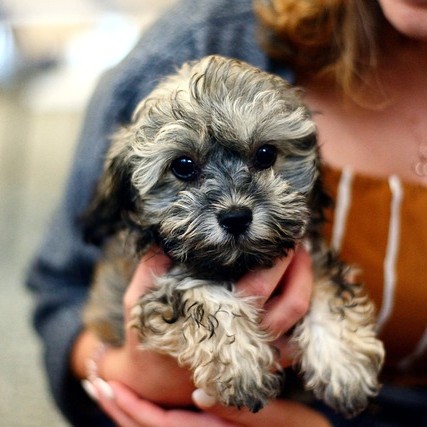
These early symptoms are easy to dismiss, especially in puppies adjusting to a new home, but they can escalate rapidly.
Gastrointestinal Symptoms
As the virus attacks the intestinal lining, more severe signs often develop, including:
- Persistent vomiting
- Severe diarrhea, which may be foul-smelling or bloody
- Abdominal pain or discomfort
This gastrointestinal damage leads to rapid fluid loss and dehydration.
Dehydration and Weakness
Dehydration can occur quickly due to vomiting and diarrhea. Affected dogs may appear weak, collapse, or struggle to stand. Gums may become pale, and heart rate can increase as the body attempts to compensate.
Rapid Progression of Illness
One of the most dangerous aspects of parvovirus is how quickly it worsens. Puppies can go from appearing mildly ill to critically sick within hours. Delaying treatment, even briefly, can significantly reduce survival chances.
Prevention and Early Action Make the Difference
Parvovirus is a serious and potentially life-threatening disease, but it is also largely preventable. Understanding how the virus spreads, recognizing early symptoms, and following recommended vaccination guidelines can dramatically reduce a dog’s risk, especially during puppyhood. While it’s natural to want to socialize a new puppy right away, patience during those early weeks can be lifesaving.
Protect Your Dog With Help From Paws and Claws Veterinary Hospital
If you’ve recently welcomed a new puppy, have concerns about parvovirus exposure, or notice symptoms such as vomiting, diarrhea, or sudden lethargy, Paws and Claws Veterinary Hospital is here to help. Our experienced veterinary team provides vaccinations, diagnostic testing, and urgent care when it matters most.
Located in Tallahassee, we’re committed to supporting pets and their families through every stage of life – from preventive care to critical treatment. Contact Paws and Claws Veterinary Hospital today to schedule an appointment or seek immediate guidance if you suspect parvovirus. Early care can save lives.