Florida’s warm climate, high humidity, and abundant wildlife make ticks a year-round concern for pet owners, not just a summer nuisance. Unlike colder regions where tick activity slows in winter, many tick species in Florida remain active for much of the year, increasing the risk of exposure for dogs and cats that spend time outdoors, visit parks, or even relax in their own backyards.
Ticks aren’t just unpleasant to find on your pet; they can transmit serious diseases that affect pets and people alike. Understanding which ticks are common in Florida, when they’re most active, and how to protect your pet is an essential part of responsible pet ownership. This guide breaks down what Florida pet owners need to know about ticks, including local risks, prevention strategies, and when to contact your veterinarian.
Florida’s environment creates ideal conditions for ticks to thrive. Warm temperatures, frequent rainfall, and dense vegetation allow many tick species to remain active for most of the year – sometimes with only brief slowdowns during cooler or drier periods. This means pets in Florida face a longer window of exposure compared to animals in colder climates.
According to the Florida Department of Health, tick-borne illnesses reported in the state most commonly include ehrlichiosis, Lyme disease, and spotted fever group illnesses. While case numbers are lower than in some northern states, Florida’s risk is real and persistent, especially in North and Central Florida, where certain tick species are more established.
Ticks don’t just live in wooded areas. In Florida, pets may encounter ticks in:
- Backyards with grass, shrubs, or leaf litter
- Dog parks and walking trails
- Areas frequented by wildlife such as deer, raccoons, or rodents
- Neighborhoods near undeveloped land or water sources
Because pets often act as “transport” hosts, ticks picked up outdoors can be carried into the home, increasing exposure for the entire household.
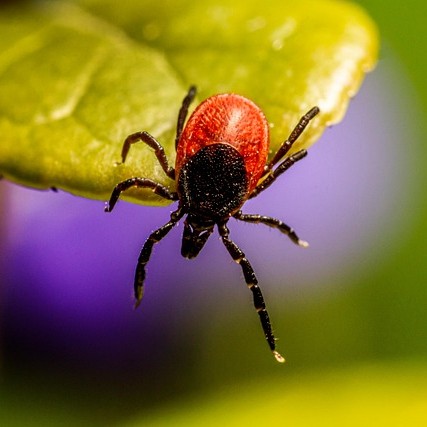
Florida is home to several tick species, but a few are especially important for pet owners to recognize because of how common they are and the diseases they can transmit.
Lone star tick (Amblyomma americanum)
This is one of the most commonly encountered ticks in Florida. It is aggressive, readily bites pets and people, and is often found in grassy areas, wooded edges, and backyards near wildlife. Lone star ticks are associated with diseases such as ehrlichiosis and other tick-borne illnesses that affect dogs. Their activity can extend from late winter through fall in many parts of the state.
Blacklegged tick (Ixodes scapularis)
Often referred to as the “deer tick,” this species is best known for transmitting Lyme disease. While Lyme disease is reported less frequently in Florida than in northern states, blacklegged ticks are present and capable of spreading infection, particularly in North and Central Florida. Pets that travel out of state are also at increased risk.
American dog tick (Dermacentor variabilis)
These ticks are commonly found along trails, roadsides, and grassy fields. They are larger and easier to spot than some other species and are associated with spotted fever group illnesses. Dogs are frequent hosts, especially those that spend time outdoors.
Brown dog tick (Rhipicephalus sanguineus)
This tick deserves special attention because it can live indoors and thrive in homes, kennels, and boarding facilities. Unlike many ticks, it does not rely heavily on wildlife and can complete its entire life cycle around dogs and their environments, making infestations difficult to control without consistent prevention.
Tick-Bourne Illnesses
While Florida does not report tick-borne illness at the same rates as some northern states, multiple diseases are consistently documented across the state, making awareness and prevention critical.
Ehrlichiosis
One of the most commonly reported tick-borne diseases affecting dogs in Florida, ehrlichiosis is most often associated with the lone star tick and the brown dog tick. Symptoms can vary and may include:
-
Lethargy and fever
-
Loss of appetite
-
Swollen lymph nodes
-
Bruising, bleeding, or nosebleeds in more advanced cases
Without treatment, ehrlichiosis can become chronic and more difficult to manage.
Lyme disease
Lyme disease is most often linked to blacklegged ticks. While Florida has fewer cases than the Northeast and Midwest, the disease does occur, and pets that travel out of state are at increased risk. Early signs in dogs often include:
-
Shifting leg lameness
-
Joint pain or stiffness
-
Fever and fatigue
Cats are less commonly diagnosed, but exposure is still possible.
Spotted fever group illnesses
Ticks such as the American dog tick can transmit spotted fever group bacteria. These infections may cause:
-
Fever
-
Muscle or joint pain
-
Lethargy
-
Neurologic signs in severe cases
Because symptoms of tick-borne diseases often overlap with those of other illnesses, they can be easily missed in the early stages. Any unexplained fever, pain, or behavior change, especially after known or possible tick exposure, should prompt a call to schedule an appointment with one of our veterinarians.
Preventing Tick Bites
Prevention works best when it’s consistent and multi-layered. Relying on a single strategy, such as only checking for ticks after you see one, often isn’t enough in a warm, humid environment where ticks thrive.
1. Use veterinarian-recommended tick prevention
Monthly or long-acting tick preventives are one of the most effective ways to protect pets. These products work by killing ticks quickly or preventing them from attaching in the first place. The right option depends on your pet’s age, species, lifestyle, and health history, which is why guidance from our veterinarians is important, especially for cats, seniors, or pets with medical conditions.
2. Perform routine tick checks
Even pets on prevention should be checked regularly, particularly after time outdoors. Make tick checks part of your daily routine if your pet spends time outside. Focus on:
- Around and inside the ears
- Under collars and harnesses
- Armpits and groin areas
- Between toes and along paw pads
- Around the tail base
Finding and removing ticks early helps reduce the chance of disease transmission.
3. Manage your yard and environment
Florida yards can provide perfect tick habitat if not maintained. Simple steps can reduce exposure:
- Keep grass trimmed and remove leaf litter
- Prune shrubs and clear overgrown edges
- Create mulch or gravel barriers between lawns and wooded areas
- Discourage wildlife that can carry ticks into your yard
4. Don’t forget indoor risks
Some ticks, such as the brown dog tick, can survive and reproduce indoors. Pets that visit boarding facilities, groomers, or dog parks may be exposed even if they rarely explore wooded areas. Year-round prevention helps reduce the risk of bringing ticks into your home.
Tick prevention in Florida isn’t about reacting after you find a tick; it’s about staying ahead of the problem with consistent protection, regular checks, and environmental awareness.
If you have questions about tick prevention or would like to schedule an appointment, contact Paws and Claws Veterinary Hospital today.