Hurricane season is a familiar part of life in Florida, but preparing for a storm means thinking about more than your home and family – you also need a plan for your pets.
Atlantic hurricane season runs from June 1 through November 30, and Florida emergency officials encourage residents to prepare before a storm threatens the area. For pet owners in Tallahassee, that means having supplies ready, knowing where you’ll go if you need to evacuate, and making sure your pet’s veterinary care is up to date.
A little preparation now can make it much easier to keep your dog or cat safe when severe weather arrives.
Build a Hurricane Emergency Kit for Your Pet
Your household emergency supplies should include everything your pet may need if you’re without power, unable to reach stores, or forced to evacuate.
Consider preparing a pet emergency kit with:
- Food and bottled water
- Food and water bowls
- Prescription medications
- Flea, tick, and heartworm prevention
- Leash, collar, harness, and identification
- Secure carrier or crate
- Waste bags and sanitation supplies
- Travel cat litter and a litter box
- Familiar bedding, toys, or comfort items
- Copies of veterinary and vaccination records
- A recent photo of your pet

Keep supplies together in an easy-to-access location so you’re not trying to find everything when a storm is approaching.
Keep Vaccinations and Veterinary Records Current
Don’t wait until an evacuation order is issued to discover that your pet is overdue for vaccines or running low on medication.
Before hurricane season becomes active, check that your pet’s vaccinations, parasite prevention, prescriptions, and routine veterinary care are current. Keep copies of vaccination and medical records in a waterproof container or accessible digital location.
These records may be especially important if you need to use a boarding facility, veterinary hospital, temporary shelter, or other accommodations during an evacuation.
Make Sure Your Pet Can Be Identified
Hurricanes can damage fences, blow open gates, and force families into unfamiliar environments. Even pets that normally never wander can become frightened and escape.
Your dog or cat should have a collar with up-to-date identification, and microchipping provides an additional layer of protection.
If your pet is already microchipped, verify that your current phone number and contact information are registered with the microchip company.
Keep a recent photograph of each pet with your emergency documents as well.
Plan Ahead for Medications and Special Diets
If your pet takes prescription medication or requires a special diet, don’t wait until a hurricane is approaching to request supplies.
Keep an appropriate supply available and include written instructions detailing your pet’s medications, doses, feeding requirements, and medical conditions.
If your pet has an ongoing medical condition, talk with your veterinarian about what you should have available during hurricane season.
Prepare for Power Outages and Florida Heat
Losing air conditioning after a hurricane can quickly become uncomfortable and potentially dangerous.
Make sure you have plenty of clean drinking water available and monitor your pet carefully for signs of overheating, including excessive panting, drooling, weakness, vomiting, confusion, or collapse.
Never leave pets in parked vehicles or enclosed spaces that can rapidly become hot.
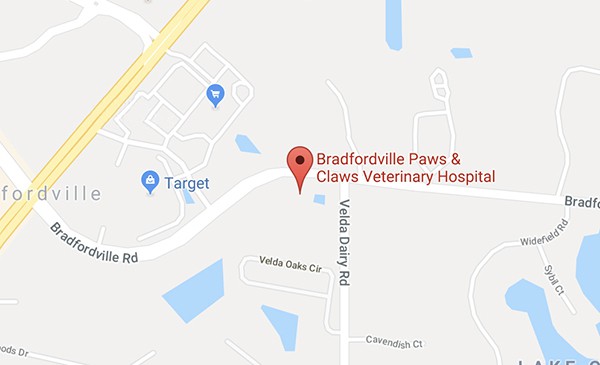
At Paws and Claws Veterinary Hospital, we encourage pet owners to use the beginning of hurricane season as a reminder to check their pets’ vaccines, prescriptions, parasite prevention, identification, and overall health.
If your pet is due for an exam or vaccinations, needs prescription refills, or experiences significant storm anxiety, contact Paws and Claws Veterinary Hospital to schedule an appointment before severe weather arrives.
Preparing today can give you one less thing to worry about when your family needs to act quickly.