Your dog has diarrhea for a day or two, seems to get better, and then it starts all over again. Or perhaps you’ve noticed your cat’s stools have been unusually soft, but otherwise, everything seems perfectly normal.
There are several possible explanations for these digestive problems, and Giardia is one of them. This microscopic intestinal parasite can cause recurring diarrhea in dogs and cats, although some infected pets never show signs of illness.
Giardia is treatable, but it can also be frustrating to get rid of. Pets can become infected again through contaminated surroundings, so understanding how the parasite spreads is an important part of managing it.
What Is Giardia?
Giardia is a single-celled parasite that lives in the small intestine of infected animals. Unlike roundworms or tapeworms, it isn’t a worm, and you won’t find anything resembling one in your pet’s stool.
The infection, called giardiasis, can interfere with digestion and the absorption of nutrients. Diarrhea is the most common result, particularly in younger animals, although plenty of infected dogs and cats have no symptoms at all.
One of the difficulties with Giardia is that an animal can appear perfectly healthy while still carrying and shedding the parasite. This is especially relevant in households with multiple pets or in places where animals share living spaces.
How Do Dogs and Cats Get Giardia?

Giardia spreads through microscopic cysts passed in an infected animal’s feces. These cysts can survive in the environment and infect another animal when swallowed.
A dog might pick up Giardia by drinking from a contaminated puddle, sniffing around an area where infected animals have defecated, or licking its paws after walking through contaminated soil. Cats can become infected through grooming or contact with contaminated litter boxes and other surfaces.
Giardia is also a concern in kennels, shelters, daycare facilities, and other places where animals spend time together. The cysts can survive for weeks or longer in cool, damp conditions, making contaminated environments an ongoing source of exposure.
What About Indoor Cats?
Indoor cats have fewer opportunities to encounter Giardia, but they aren’t immune to infection. A newly adopted cat may already carry the parasite, for example, and an infected cat can contaminate a shared litter box.
If your indoor cat develops recurring diarrhea, Giardia is still worth considering, even without an obvious source of exposure.
Signs of Giardia in Dogs and Cats
The most recognizable symptom of Giardia is diarrhea, although it doesn’t always look the same from one pet to another. Some animals have persistently loose stools, while others seem to improve for several days before the diarrhea returns.
Other possible signs include:
- Watery, soft, or unusually foul-smelling stools
- Mucus or a greasy appearance in the stool
- Excessive gas or abdominal discomfort
- Occasional vomiting
- Weight loss, particularly when an infection persists
An infected pet may continue eating, playing, and behaving normally despite having digestive symptoms. In other cases, especially with puppies and kittens, diarrhea can become more concerning because young animals are more susceptible to dehydration.
Of course, Giardia isn’t the only explanation for diarrhea. Dietary changes, other intestinal parasites, infections, and digestive disorders can produce similar symptoms. The appearance of your pet’s stool can provide useful information, but it won’t tell us for certain whether Giardia is responsible.
When Is Diarrhea a Concern?
Diarrhea that persists or repeatedly returns should be evaluated by a veterinarian, even if your pet otherwise seems fine.
If your dog or cat has severe diarrhea, repeated vomiting, bloody stool, significant weakness, or signs of dehydration, seek urgent veterinary care. Puppies and kittens can become dehydrated quickly, so it’s best not to wait when a young pet is noticeably ill.
Preventing Giardia and Reinfection
You can’t eliminate every possible source of Giardia, particularly outdoors, but there are practical ways to reduce your pet’s exposure.
Clean up pet waste promptly. Pick up feces from your yard and dispose of them properly. If you have cats, scoop litter boxes frequently and replace the litter daily while an infection is being treated.
Pay attention to bowls, bedding, and shared spaces. During treatment, clean and disinfect food and water bowls, toys, crates, and litter boxes daily when possible. Wash bedding and dry it thoroughly. Continue cleaning for a few days after treatment ends, and follow disinfectant instructions carefully.
Keep contaminated fur clean. Giardia cysts can remain on the fur around a pet’s rear end, where they may be swallowed during grooming. Bathing may be recommended during treatment, particularly near the end of the medication course.
Be mindful of outdoor exposure. Discourage dogs from drinking out of puddles, ponds, and streams. If your pet has Giardia or is experiencing diarrhea, avoid daycare, dog parks, and other shared animal spaces until it’s appropriate to return.
If you have more than one pet, let your veterinarian know when one tests positive. Other animals can carry Giardia without symptoms, and depending on the circumstances, additional testing or treatment may be appropriate.
Routine fecal examinations and good sanitation are important parts of intestinal parasite prevention, even for pets that receive regular preventive medications.
Giardia Testing and Treatment in Tallahassee
If your dog or cat has diarrhea that keeps returning, there’s no benefit in guessing which parasite or digestive problem might be responsible. Testing can help identify the cause and determine what treatment, if any, is needed.
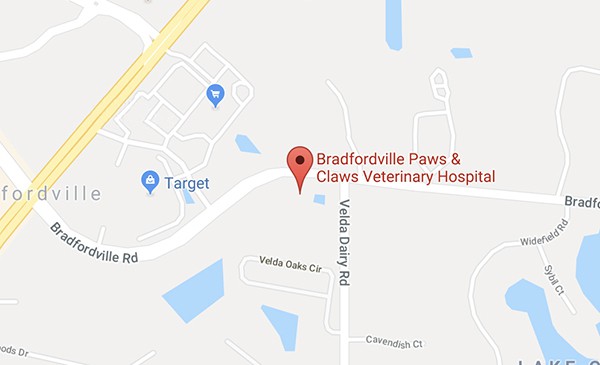
Paws & Claws Veterinary Hospital offers Giardia testing and diagnostic care for dogs and cats in Tallahassee. If you’re concerned about your pet’s digestive health, contact our hospital to schedule an appointment. For urgent symptoms, please call us directly at 850-906-0444.