Halloween can be a busy night, especially if you live in a neighborhood with lots of trick-or-treaters. Between the doorbell ringing, children running around in costumes, and bowls of candy within easy reach, there’s quite a bit happening that your pets aren’t used to.
Some dogs enjoy the excitement, while others find it overwhelming. Cats may disappear under the bed until the visitors are gone. And even pets that normally handle guests well can react differently when someone wearing a mask or an unfamiliar costume appears at the door.
A little preparation can help prevent accidents and make Halloween a less stressful experience for your dogs and cats.
Keep Halloween Candy Away From Pets
Most pet owners know that chocolate is dangerous for dogs, but it isn’t the only Halloween treat that can cause problems. With candy bowls sitting near the front door and children bringing home bags full of treats, there are plenty of opportunities for a curious pet to get into something it shouldn’t.
Some of the biggest concerns include:
- Chocolate: Chocolate contains theobromine and caffeine, which are toxic to dogs and cats. Dark chocolate and baking chocolate are especially dangerous because they contain higher concentrations of these substances.
- Sugar-free candy and gum: Some products contain xylitol, also called birch sugar, which can cause a dangerous drop in blood sugar and liver damage in dogs.
- Raisins: Raisins and chocolate-covered raisins can cause serious kidney injury in dogs.
- Candy wrappers: Dogs sometimes swallow wrappers along with the candy. Depending on the amount and material, these can cause choking or intestinal blockages.
Keep candy in closed containers where pets can’t reach it, and remind children not to leave their trick-or-treat bags on the floor or in an accessible bedroom.
If your pet eats chocolate, sugar-free candy, raisins, or another potentially toxic item, contact your veterinarian or an animal poison control service immediately. Don’t wait for symptoms to appear or attempt to make your pet vomit without professional instructions.
Give Your Pet a Break From Trick-or-Treaters
Imagine having your doorbell ring dozens of times in one evening, with a different stranger appearing every time. Now imagine that some of those strangers are wearing masks, making unusual noises, or carrying large objects your pet has never seen before.
It’s understandable that even a normally friendly dog might become anxious or overly excited.
If your pet barks at visitors, becomes nervous around strangers, or has a tendency to slip through open doors, consider setting up a quiet room before trick-or-treating begins. Include a comfortable bed, fresh water, and a familiar toy. Closing the door and playing soft music or white noise may help reduce the disturbance.
For cats, make sure there are comfortable hiding places where they won’t be bothered. Don’t force a frightened pet to come out and greet visitors.
It’s also perfectly fine to leave your dog at home rather than taking them trick-or-treating. Crowds, unfamiliar costumes, and excited children can be a lot for even a well-socialized dog to handle.
Make Sure Your Pet Can’t Slip Out the Door
With people coming and going throughout the evening, Halloween creates plenty of opportunities for pets to escape.
A dog that normally waits patiently by the door may suddenly dart outside when startled. A curious indoor cat might take advantage of an open doorway while everyone’s attention is on the trick-or-treaters.
Keeping pets in a separate room is one of the easiest ways to prevent an accidental escape. If your dog will be near the front door, make sure they’re securely controlled whenever you open it.
Before Halloween, check that your pet’s identification tags are readable and their microchip registration information is current. A microchip is especially valuable if a collar comes off or a frightened animal runs farther than expected.
Be Careful With Halloween Decorations
Halloween decorations can be fascinating to pets, particularly cats that enjoy batting at dangling objects and dogs that investigate unfamiliar things with their mouths.
Artificial spiderwebs, hanging decorations, ribbons, and small plastic accessories can become choking hazards or cause intestinal problems if swallowed. Electrical cords are another concern for pets that like to chew.
Glow sticks deserve special attention, especially if you have cats. The liquid inside is extremely bitter and can cause sudden drooling, irritation, and unusual behavior if a pet bites into one. Although the liquid itself generally has low toxicity, the plastic pieces can cause injury if swallowed.
And while carved pumpkins look great with candles inside, open flames are best avoided in areas pets can access. A curious cat or a wagging tail can easily knock something over. Battery-operated candles provide a safer alternative.
If you’re decorating outdoors, consider whether your dog might be frightened by motion-activated decorations that suddenly move, light up, or make noise.
Should Your Dog or Cat Wear a Halloween Costume?
There’s nothing wrong with enjoying a cute pet costume, provided your pet is comfortable wearing it.
Some dogs don’t mind dressing up, especially if they’re already accustomed to wearing coats or other clothing. Many cats, on the other hand, would prefer that you skip the costume entirely.
If you decide to dress up your pet, choose something lightweight that doesn’t interfere with walking, seeing, hearing, or breathing. Avoid costumes with dangling pieces, small accessories, or anything your pet might chew off and swallow.
Try the costume on before Halloween to see how your pet reacts. If they freeze, repeatedly try to remove it, or appear uncomfortable, don’t force the issue.
A festive collar or bandana may be a better choice. And if your pet would rather wear nothing at all, that’s perfectly fine too.
Never leave a pet unattended while wearing a costume.
Have a Safe Halloween With Your Pets
Most Halloween hazards are easy to overlook when you’re busy handing out candy, helping children with costumes, or welcoming visitors. Keeping treats secured, giving nervous pets a quiet place to relax, and making sure doors are properly managed can prevent many avoidable problems.
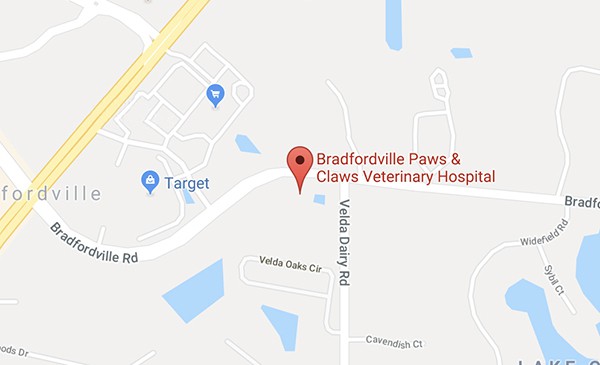
If your dog or cat gets into something potentially dangerous or develops concerning symptoms, contact Paws & Claws Veterinary Hospital in Tallahassee at 850-906-0444. For urgent concerns outside regular hospital hours, visit our emergency care information page for after-hours options.