Hookworms are one of the most common – and potentially dangerous – intestinal parasites affecting dogs and cats. These tiny worms attach to the lining of the intestines and feed on blood, which can lead to serious health problems if left untreated. Puppies, kittens, and pets with weakened immune systems are especially vulnerable.
In warm, humid climates like Tallahassee, Florida, hookworms can thrive year-round in soil and outdoor environments, increasing the risk of exposure for pets that spend time outside, or even those that simply walk on contaminated ground. The good news is that hookworms are both treatable and preventable with proper veterinary care and routine parasite prevention.
Hookworms are small, parasitic worms that live in the intestines of dogs and cats. Despite their tiny size, hookworms can cause significant damage. They attach themselves to the intestinal lining using sharp mouthparts and feed on your pet’s blood, which can quickly lead to irritation, inflammation, and blood loss.
The most common species of hookworms affecting pets include:
-
Ancylostoma caninum, which primarily affects dogs
-
Ancylostoma tubaeforme, which primarily affects cats
Once inside the body, hookworms can reproduce rapidly, allowing infections to worsen quickly – especially in puppies and kittens. Young pets may become anemic in a short period of time, making early detection and treatment critical.
Hookworms are particularly common in warm, moist environments. In areas like North Florida, the larvae can survive in soil for long periods, increasing the likelihood of exposure for pets that walk, play, or rest outdoors.
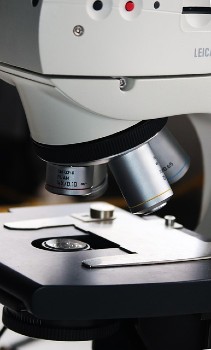
Because hookworm infections are not always visible and symptoms may be subtle at first, routine veterinary exams and fecal testing are an essential part of protecting your pet’s health.
How Do Dogs and Cats Get Hookworms?
Dogs and cats can become infected with hookworms in several ways, often without pet owners realizing it. Because hookworm larvae live in the environment, exposure can happen during everyday activities – especially in warm, humid areas like Tallahassee and North Florida.
Common ways pets get hookworms include:
Contact with Contaminated Soil
Hookworm larvae can live in soil that has been contaminated with infected feces. Pets may become infected by:
- Walking or lying on contaminated ground
- Digging in soil or sand
- Grooming their paws after contact
In some cases, hookworm larvae can penetrate the skin, usually through the paw pads or belly, and then migrate to the intestines.
Ingesting Hookworm Larvae
Pets may swallow hookworm larvae by:
- Licking contaminated surfaces
- Eating soil or grass
- Consuming feces from infected animals
Once ingested, the larvae mature into adult worms in the intestines.
Transmission from Mother to Young
Puppies are at especially high risk because hookworms can be passed:
-
Through a mother’s milk while nursing
This is one reason routine deworming and early veterinary care are so important for young pets.
Eating Infected Prey
Cats and dogs that hunt or scavenge may become infected by eating small animals that carry hookworm larvae.
Because hookworms are so widespread in the environment, indoor pets are not completely risk-free, and reinfection can occur without consistent prevention.
Common Signs of Hookworms in Dogs and Cats
Hookworm infections don’t always cause obvious symptoms right away. In some pets, especially adults, signs may be mild at first. In others – particularly puppies, kittens, or pets with weakened immune systems – symptoms can become severe quickly.
- Common signs of hookworms in dogs and cats include:
- Diarrhea, which may be dark or bloody
- Weight loss or failure to gain weight in young pets
- Lethargy or weakness
- Pale gums, a sign of anemia caused by blood loss
- Poor appetite
- Dull coat or poor overall condition

Some pets may also experience:
- Itchy paws or skin irritation, especially where larvae have penetrated the skin
- Coughing in certain stages of infection
- Dehydration in more severe cases
Because hookworms feed on blood, even a small number of worms can cause significant health problems – particularly in young animals. Severe infections can be life-threatening if not treated promptly.
If your pet is showing any of these signs, especially persistent diarrhea, weakness, or pale gums, it’s important to schedule a veterinary exam as soon as possible. Early diagnosis allows for faster treatment and helps prevent complications.
Hookworm Treatment Options for Dogs and Cats
The good news is that hookworms are highly treatable with timely veterinary care. Treatment typically involves prescription deworming medications that safely and effectively eliminate adult hookworms from the intestines.
Protecting Your Pet from Hookworms
Hookworms are a common intestinal parasite in dogs and cats, but with the right care, they are both treatable and preventable. Knowing how pets become infected, recognizing early symptoms, and staying consistent with parasite prevention can make a significant difference in your pet’s health and comfort.
If you have concerns about hookworms or would like to schedule a parasite screening, our team is here to help.
Contact Paws and Claws Veterinary Hospital in Tallahassee, FL, today to schedule an appointment and keep your pet protected.