It’s easy to think of a few extra pounds as “no big deal,” especially when your dog or cat still seems happy, cuddly, and full of personality. But even small amounts of added weight can put strain on their joints, affect their energy levels, and increase the risk of long-term health problems. In fact, obesity is one of the most common, and most overlooked, health concerns in pets today.
Research reveals the significant impact of those extra pounds. In a well-known long-term study, dogs that were kept at a lean, healthy weight lived nearly two years longer than their littermates who carried extra weight, and they experienced fewer medical problems as they aged.
Many pet owners don’t realize their dog or cat is overweight until symptoms begin to appear gradually over time. Heavier breathing on walks, difficulty jumping, or a disappearing waistline can sneak up on all of us. The good news is that with the right nutritional guidance and early intervention, pets can return to a healthier weight and enjoy a more active, comfortable life.
Understanding what a healthy weight looks like – and knowing when to seek professional advice – can make all the difference in your pet’s overall wellbeing.
How to Tell If Your Pet Is Overweight
Weight gain in pets often happens slowly, making it easy to overlook early signs. A thicker waistline or a little extra fluff may seem harmless, but even a small amount of added weight can have a much bigger impact than most people realize.

To put it into perspective:
Two or three extra pounds on a cat or small dog can be the equivalent of 20–30 extra pounds on a human.
For larger dogs, five to ten added pounds can feel similar to a significant weight gain in a person. Suddenly, those “few extra pounds” don’t seem so minor.
Signs your pet may be carrying extra weight include:
-
Difficulty feeling ribs without pressing firmly
-
A rounder shape or no visible waist
-
Sagging or lower-hanging belly area
-
Tiring quickly during walks or play
-
Struggling to jump, climb, or move comfortably
Because every pet’s body shape is different, visual assessment isn’t always enough. A veterinary exam provides a more accurate picture using a Body Condition Score (BCS), a standardized way to evaluate whether your pet is underweight, at an ideal weight, or overweight based on fat distribution and overall shape.
If you’ve noticed subtle changes in your pet’s body or behavior, an exam and weight check is a great first step toward keeping them healthy and active.
Why Pet Obesity Is More Serious Than It Looks
A little extra padding may seem harmless—especially when your dog still greets you with enthusiasm or your cat still curls up in their favorite spot—but excess weight can affect far more than appearance. Obesity places strain on your pet’s body and increases the risk of several long-term, often painful health issues.
Here are some of the most significant risks:
Lower energy and increased pain
Extra weight can make everyday activities, like walking, climbing, or even playing, more tiring or uncomfortable. Research has shown that obese dogs have lower quality-of-life scores, especially in vitality and pain. After losing weight, those same dogs showed significant improvements in energy and comfort.
Diabetes and metabolic problems
Overweight pets are significantly more likely to develop diabetes. Cats are especially prone to this condition, and overweight dogs often develop insulin resistance, making weight management essential for long-term health.
High blood pressure and heart strain
Just like in humans, obesity can contribute to high blood pressure, which may go unnoticed until it begins to affect the heart, kidneys, or even a pet’s eyesight.
Increased risk of certain cancers
Research also suggests that obesity may increase the likelihood of developing certain cancers, similar to patterns seen in humans.
Common Causes of Weight Gain in Dogs and Cats
Weight gain can happen for many reasons, and it’s often a combination of small factors that add up over time. Understanding the most common contributors can help pet owners recognize early changes and seek guidance before extra weight affects their pet’s health or comfort.
Overfeeding or Free-Feeding
Many pets simply take in more calories than they burn—especially when food is available all day or portions are larger than needed. Because calorie requirements vary widely by size, breed, and activity level, even well-meaning feeding habits can unintentionally lead to weight gain.
Too Many Treats
Treats add up quickly, especially if multiple people in the household give them. Some treats are surprisingly high in calories for a pet’s size, making it easy for extra weight to creep on without obvious overfeeding at mealtimes.
Reduced Activity
Indoor lifestyles, busy family schedules, or limited mobility can all reduce a pet’s daily exercise. Less activity means fewer calories burned and more stored energy, usually as fat. Cats, especially indoor-only cats, are particularly prone to weight gain from low activity levels.
Age-Related Changes
As pets age, their metabolism naturally slows. They may sleep more, move less, and burn fewer calories than they did as younger adults. Without adjustments in diet, this often leads to gradual weight gain.
Underlying Medical Conditions
Some medical issues, such as hypothyroidism in dogs or metabolic disorders, can cause weight gain even when food intake hasn’t changed. Because these conditions require veterinary diagnosis, unexplained weight gain is always worth discussing during an exam.
Neutering/Spaying
After being spayed or neutered, a pet’s metabolism often slows slightly. This doesn’t mean they will automatically gain weight, but it may mean their calorie needs decrease compared to before surgery.
Weight gain is usually gradual, which makes it easy to miss. If you’ve noticed small changes in your pet’s shape, energy level, or appetite, scheduling a weight check and nutritional consultation can help identify the cause and get your pet back on track.
Nutrition Basics: What a Balanced Diet Really Means
Feeding your pet isn’t just about filling the bowl, it’s about giving their body the right blend of nutrients in the right amounts. A well-balanced diet supports energy, immune function, digestion, joint health, and of course, maintaining a healthy weight.
Here’s what pet owners should know about proper nutrition:
Calorie Needs Are Individual
Two pets of the same breed can have very different calorie needs. Age, activity level, health conditions, and even personality (energetic vs. laid-back) can influence how many calories they need each day.
Life-Stage Matters
Puppies and kittens need calorie-dense food to support growth. Adult pets need a balanced maintenance diet, and senior pets often require fewer calories or specialized formulas. Feeding a diet not intended for your pet’s age can contribute to unnecessary weight gain.
Portion Size Is More Important Than Most People Realize
Measuring food accurately makes a big difference. A “cup” of food for a pet is often much smaller than the scoops or mugs people instinctively use. Even small overestimates each day can lead to significant weight gain over months.
Treats Should Be Limited
Treats should make up less than 10% of your pet’s daily calories. Many common treats pack far more calories than expected -especially for small pets. Your veterinary team can recommend lower-calorie options if your pet loves snacks.
Specialized Diets Can Support Weight Management
Some pets benefit from prescription weight-management diets, which are formulated to help them feel satisfied while consuming fewer calories. These should only be started under veterinary guidance, since not all “weight-loss” foods are appropriate for every pet.
Consistency Matters
Feeding different amounts at different times, switching foods frequently, or offering lots of table scraps can all contribute to weight gain. A consistent routine helps maintain stable calorie intake and healthier digestion.
Nutrition is one of the most powerful tools we have for keeping pets healthy, but choosing the right approach can be confusing. Our veterinary team can help build a feeding plan tailored to your pet’s unique needs, lifestyle, and long-term health goals.
Maintaining a healthy weight is one of the most impactful ways to support your pet’s long-term health, comfort, and quality of life. Even small changes in nutrition and daily habits can make a meaningful difference, helping pets move more easily, feel more energetic, and stay healthier as they age. And the earlier weight concerns are identified, the easier they are to manage.
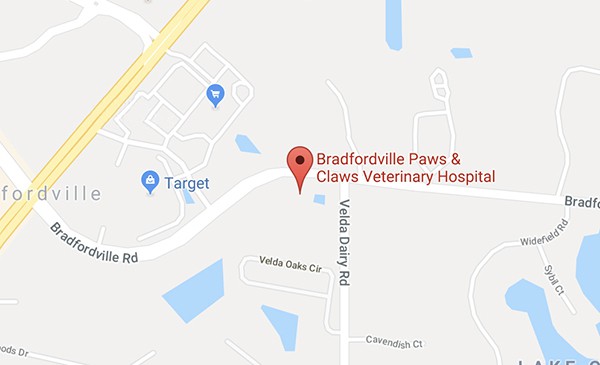
To give your pet the support they need, schedule an appointment at Paws & Claws Veterinary Hospital to discuss their weight and nutritional needs. Together, we can create a personalized plan that helps them stay comfortable, active, and thriving for years to come.