
Does your dog become anxious, destructive, or vocal when you leave the house? You’re not alone. Separation anxiety is one of the most common behavioral concerns in dogs, and it can be stressful for both pets and their owners.
Dogs with separation anxiety aren’t acting out of spite or disobedience – they’re experiencing real emotional distress when left alone. This can show up as barking, chewing, accidents in the house, or attempts to escape, often shortly after you leave. For many pet owners, these behaviors can feel overwhelming and confusing.
The good news is that separation anxiety is manageable with the right approach, and early intervention can make a big difference.
What is Separation Anxiety?
Separation anxiety is a behavioral condition in which a dog experiences intense stress and fear when separated from their owner or left alone. It’s more than just boredom or mild uneasiness – dogs with separation anxiety can become genuinely distressed, often within minutes of their owner leaving.
This condition is rooted in a dog’s strong social bond with their human family. When that bond is disrupted, some dogs struggle to cope, leading to behaviors that may seem frustrating but are actually signs of anxiety.
Separation Anxiety vs. Boredom
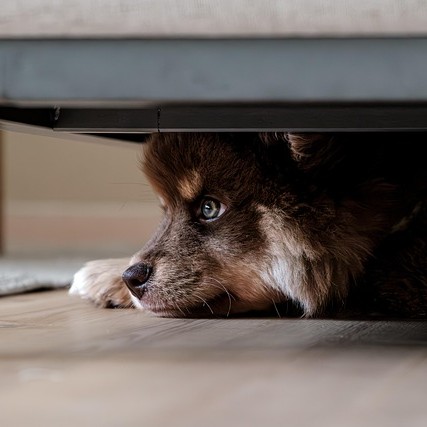
It’s important to distinguish separation anxiety from simple boredom or lack of exercise:
- Bored dogs may chew, dig, or get into things – but typically in a more casual, less intense way
- Dogs with separation anxiety often show urgent, repetitive, or destructive behaviors, especially focused around exits like doors and windows
Additionally, separation anxiety behaviors usually:
- Start soon after you leave
- Occur consistently when your dog is alone
- May include signs of panic, not just mischief
Why It Matters
Understanding that separation anxiety is a form of emotional distress – not disobedience – is key to addressing it effectively. Punishment or frustration won’t resolve the issue and can actually make anxiety worse.
Instead, helping your dog feel safe and secure when alone requires a thoughtful, supportive approach, something your veterinarian can help guide.
What Causes Separation Anxiety in Dogs?
There isn’t always one obvious reason a dog develops separation anxiety. Genetics, temperament, past experiences, and changes in a dog’s environment can all play a role. Some dogs may become anxious after a significant life event, while others seem to struggle with being alone from an early age.
Understanding what may have triggered your dog’s anxiety can help you and your veterinarian develop a more effective plan for managing it.
Changes in Routine
Dogs tend to thrive on consistency, so a sudden change in their daily schedule can be difficult for some pets.
For example, a dog that becomes accustomed to having someone home throughout the day may struggle when their owner returns to the office, starts school, or begins spending more time away from home. Even seemingly minor changes to feeding, walking, or sleeping schedules can affect dogs that are particularly sensitive to routine.
Moving to a New Home
Moving can be stressful for pets. Your dog suddenly has unfamiliar surroundings, smells, noises, and routines to adjust to.
A move combined with being left alone in the new environment may trigger anxiety, even in a dog that previously had no trouble staying home by themselves.
Changes in the Household
Major changes within the family can also contribute to separation-related behaviors. These might include:
- A family member moving into or out of the home
- The arrival of a new baby
- Adding another pet
- Changes in work or school schedules
- The loss of a person or animal companion
Dogs form strong relationships with both people and other animals, so losing a familiar companion can be particularly difficult.
Adoption or Rehoming
Some newly adopted or rehomed dogs experience separation anxiety as they adjust to their new family and environment. A dog may have experienced multiple homes, changes in caregivers, or periods of instability before adoption.
However, being a rescue dog does not automatically mean a dog will develop separation anxiety. Dogs of any breed, age, or background can experience the condition.
A Frightening Experience While Home Alone
Occasionally, separation anxiety may begin after something frightening happens while a dog is alone. Thunderstorms, fireworks, construction noise, alarms, or other unexpected events can create a negative association with being by themselves.
How to Help a Dog With Separation Anxiety
If your dog shows mild signs of separation anxiety, there are several things you can try at home to help them feel more comfortable being alone. The goal is to reduce your dog’s anxiety gradually, rather than expecting them to become comfortable with long periods of separation suddenly.
Every dog is different, and what works for one may not work for another. The following strategies can be a good starting point for pet owners. However, it’s always appropriate to talk with your veterinarian about behavioral changes or anxiety. If these at-home strategies aren’t helping – or your dog’s anxiety is severe – it’s time to consult your veterinarian for additional support.
Things You Can Try at Home
- Start with short departures: Leave for brief periods your dog can tolerate, then gradually increase the time away. Work at your dog’s pace and avoid pushing them into panic.
- Keep departures and arrivals calm: Make leaving and returning home feel routine. Avoid long, emotional goodbyes that may increase anticipation and stress.
- Create positive associations with alone time: Offer a food puzzle, interactive feeder, veterinarian-approved chew, or special toy when you leave. If your dog refuses favorite treats while alone, that may signal more significant anxiety.
- Provide exercise and enrichment: A walk, play session, sniffing activity, or short training session before you leave may help your dog settle. Puzzle toys and scent games can also provide mental stimulation.
- Create a comfortable, safe space: Give your dog access to a familiar bed, room, or gated area. Quiet music or television may help some dogs relax. Use a crate only if your dog already feels safe in it—confinement can worsen anxiety in some dogs.
- Practice departure cues: If your dog becomes anxious when you pick up your keys, put on shoes, or grab your bag, occasionally perform those actions without leaving to make them less predictive.
- Consider a pet camera: A camera can help you see whether your dog settles after a few minutes or continues pacing, barking, panting, or trying to escape. This information can also be useful when talking with your veterinarian.
Remember, it’s always OK to consult your veterinarian about separation anxiety, even if you’re unsure whether that’s what your dog is experiencing. Your veterinarian can rule out medical problems that may contribute to behavioral changes, help determine how severe the anxiety is, and recommend an appropriate treatment plan.
If you’d like to make an appointment for your canine companion, contact our office at 850-906-0444 or schedule an appointment online.