Valentine’s Day is a time for chocolates, flowers, and thoughtful gifts, but for pets, it can also bring unexpected risks. Many of the items we associate with the holiday, from sweet treats to beautiful bouquets, can be toxic or dangerous to dogs and cats if left within reach.
Each year, veterinarians see an increase in pet emergencies around holidays like Valentine’s Day, often due to accidental ingestion of chocolate, exposure to harmful plants, or curious pets getting into decorations and packaging. Even well-meaning celebrations can quickly turn into a stressful situation.
The good news is that most Valentine’s Day risks are completely preventable with a little knowledge and prevention!
Common Valentine’s Day Hazards for Pets
Valentine’s Day brings a mix of treats, decorations, and gifts into the home, many of which can pose serious risks to pets. Curious dogs and cats often explore with their noses and mouths, making it easy for them to get into things they shouldn’t.
Here are some of the most common Valentine’s Day hazards pet owners should watch for:
Chocolate and Sweets
Chocolate is one of the most well-known toxins for dogs, and Valentine’s Day often means more chocolate in the home than usual. Dark chocolate and baking chocolate are especially dangerous due to higher levels of theobromine and caffeine.
In addition, many sugar-free candies and gums contain xylitol, an artificial sweetener that is extremely toxic to dogs and can cause a rapid drop in blood sugar or even liver failure.
Watch for symptoms like:
- Vomiting or diarrhea
- Restlessness or hyperactivity
- Tremors or seizures
Flowers and Plants
Valentine’s bouquets may look beautiful, but some flowers can be harmful to pets.
- Lilies are highly toxic to cats; even small exposures can cause kidney failure
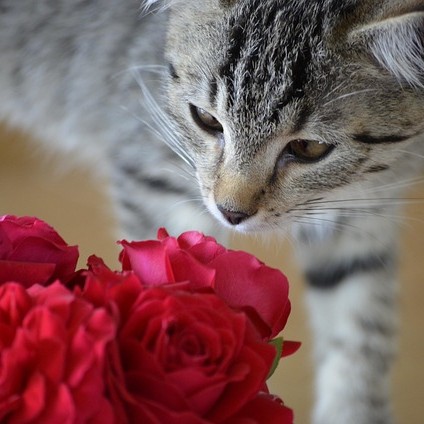
- Roses are not highly toxic, but their thorns can cause injury, and ingestion may lead to stomach upset
- Tulips and daffodils can also cause gastrointestinal irritation
If you have pets, it’s important to know exactly what’s in your bouquet.
Candles and Decorations
Candles and festive decorations can create a cozy atmosphere, but they can also pose risks.
- Curious pets may knock over candles, leading to burns or fire hazards
- Decorative items like ribbons, wrapping paper, and small ornaments can be tempting to chew or swallow
Even a small piece of string or ribbon can cause a serious intestinal blockage if ingested.
Alcohol and Rich Foods
Valentine’s celebrations often include wine, desserts, and rich meals—but these are not safe for pets.
- Alcohol can cause serious toxicity, even in small amounts
- Fatty or rich foods can lead to pancreatitis, a painful and potentially serious condition
- Seasonings like garlic and onions can also be harmful
It’s best to avoid sharing any human treats with pets during the holiday.
Signs Your Pet May Have Been Exposed to a Valentine’s Day Hazard
Pets are often very good at hiding discomfort, which means symptoms of toxicity or injury may not always be obvious right away. If your dog or cat has gotten into chocolate, flowers, decorations, or other holiday items, it’s important to watch closely for any changes in behavior or health.
Common signs that your pet may have been exposed to something harmful include:
- Vomiting or diarrhea
- Lethargy or unusual tiredness
- Loss of appetite
- Excessive drooling or pawing at the mouth
- Restlessness, pacing, or hyperactivity
- Tremors or seizures
- Difficulty walking or lack of coordination
- Abdominal pain or bloating

In some cases, symptoms may appear within a few hours. In others, it may take longer depending on what your pet was exposed to.
Even if symptoms seem mild, it’s always better to err on the side of caution. Certain toxins, like chocolate, xylitol, or lilies, can cause serious internal damage before outward signs become severe.
If you notice any of these symptoms, or if you suspect your pet may have ingested something they shouldn’t have, contact our office right away. Quick action can make a significant difference in your pet’s outcome.