Back-to-school season means new schedules, busy mornings, after-school activities, and plenty of changes around the house. While families adjust to the new routine, dogs and cats have some adjusting to do, too.
Pets become accustomed to the rhythms of their household. When children who were home during the summer suddenly spend most of the day at school, some pets may experience boredom, stress, or anxiety. Backpacks, lunchboxes, school supplies, and frequently opening doors can also introduce new safety concerns.
With a little preparation, Tallahassee pet owners can help their dogs and cats adjust to the back-to-school transition safely and comfortably.
Help Your Pet Adjust to a New Routine
Dogs and cats generally benefit from predictable routines. When possible, begin adjusting your pet’s schedule before school starts rather than changing everything at once.
Try to maintain consistent times for:
- Meals
- Walks and bathroom breaks
- Play and exercise
- Medication
- Bedtime
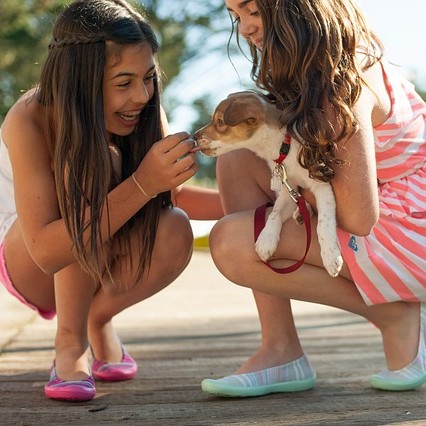
Even when mornings become hectic, making time for a short walk, play session, or a few minutes of attention can help maintain some normalcy for your pet.
Watch for Signs of Separation Anxiety
Some dogs struggle when family members suddenly begin spending more time away from home.
Signs of separation anxiety can include excessive barking or howling, destructive behavior, pacing, drooling, accidents in the house, or attempts to escape.
If you notice these behaviors, there are strategies you can try at home to help your dog become more comfortable with alone time. However, persistent or severe anxiety deserves professional attention. Your veterinarian can help rule out medical problems and discuss behavioral strategies or treatment options when appropriate.
Keep Backpacks and Lunchboxes Away From Pets
A backpack dropped on the kitchen floor may be irresistible to a curious dog – especially when there’s leftover food inside.
Lunchboxes and backpacks can contain foods that are dangerous to pets, including:
- Chocolate
- Grapes and raisins
- Sugar-free gum or candy containing xylitol
- Certain human medications
- Food wrappers and packaging
Teach children to place backpacks and lunchboxes somewhere pets can’t reach as soon as they get home.
If you suspect your pet has eaten something potentially toxic, contact your veterinarian or an emergency veterinary facility immediately rather than waiting for symptoms to develop.
Be Careful With School Supplies
Homework supplies can quickly become pet toys when they’re left on the floor or a low table.
Pens, pencils, erasers, glue containers, rubber bands, string, batteries, and small toys can present choking, injury, or intestinal blockage risks if chewed or swallowed.
Keep school supplies stored away when they aren’t being used, particularly if you have a dog or cat that likes to chew or play with small objects.
Don’t Forget Exercise and Enrichment
As family schedules become busier, it’s easy for a pet’s daily exercise and enrichment to get pushed aside.
Physical activity and mental stimulation are important for your pet’s overall health and can also help reduce boredom-related behaviors.
Depending on your pet, consider:
- Morning or evening walks
- Interactive toys
- Puzzle feeders
- Short training sessions
- Fetch or other playtime
- Scent and sniffing activities
- Scratching posts and climbing areas for cats
You don’t need to create an elaborate routine. Consistent opportunities to move, play, explore, and interact with the family can make a meaningful difference.
Make After-School Arrivals Pet-Safe
The afternoon rush can create another overlooked pet safety issue: open doors and gates.
Children may arrive home with friends, run in and out of the house, or forget to close a backyard gate. An excited or frightened pet can quickly slip outside.
Remind children to check doors and gates, and consider placing pets in a secure area during particularly busy arrival times.
This is also a good opportunity to make sure your pet’s collar, identification tags, and microchip information are current. Up-to-date identification can greatly improve the chances of being reunited if a pet gets lost.
Keep Your Pet’s Health on the Family Calendar
Back-to-school season can make everyone’s schedule busier, but your pet’s preventive care shouldn’t get lost in the shuffle.
Check your calendar for upcoming:
- Wellness exams
- Vaccinations
- Flea, tick, and heartworm prevention
- Prescription refills
- Dental care
- Follow-up appointments
Routine veterinary visits also give you an opportunity to discuss changes you’ve noticed in your pet’s behavior, appetite, weight, energy level, or overall health.
Make Back-to-School Season Easier for Your Pet
A new school year can be an exciting time for families, but remember that your dog or cat may need some time to adjust. Maintaining a predictable routine, keeping new hazards out of reach, providing regular exercise and enrichment, and watching for behavioral changes can make the transition much easier.
If you’ve noticed changes in your pet’s behavior, appetite, energy level, or overall health, don’t assume they’re simply adjusting to the new schedule.
Contact Paws and Claws Veterinary Hospital in Tallahassee, FL to schedule an appointment. Our team can help determine whether there’s an underlying health or behavioral concern and help your pet start the new season feeling their best.